
Date :
31/05/2021
Customer proximity, flexible card issuance, mailing cost savings, and a modern image are key arguments that are prompting financial institutions to decentralize the way in which they issue bank cards to their customers. Instant in-branch issuance of bank cards is really catching on.
Various technological solutions exist to implement this service, including card linking. What are the advantages? How is it deployed in a branch setting? Is it adapted to your organization? We'll tell you everything you need to know about card linking.
How does card linking work?
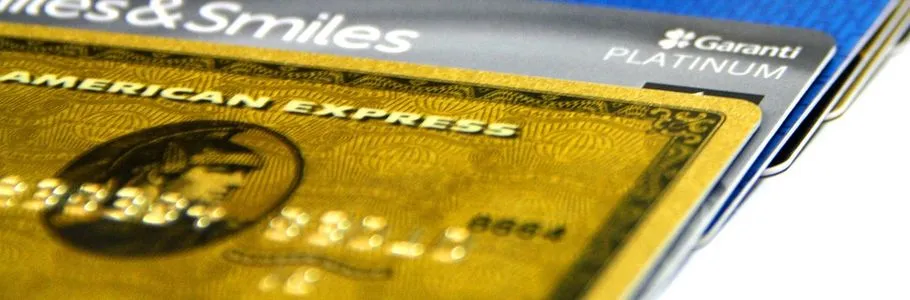
Card linking is a process used in the instant issuance of bank cards. It establishes a link between a bank card that has been personalized in advance and the future cardholder. It is a widely used method and the simplest of its kind.
There are three stages:
- Stage 1: The bank supplies its branches with cards that have been personalized both graphically (background design of the card) and electronically (magnetic strip, contact or contactless chip). The card therefore contains all the necessary information to be issued to the customer, except for the cardholder's name. At this stage, the cards are anonymous.
- Stage 2: Just before the card is issued to the customer, the bank prints the cardholder's name on the card. This is easily done using a plastic card printer.
- Stage 3: The bank establishes the computer link between the card and the cardholder. This can be done automatically with the card printer reading the data on the magnetic strip, or manually by entering the card numbers into the bank's Card Management System (CMS).
As we've just seen, the stages involved to instantly issue a bank card using this method are very simple. And that's not the only advantage.
The 4 main advantages of card linking.

#1 An affordable solution
The initial investment for instant issuance of bank cards is simply the purchase of a card printer and associated consumables (cards and printing ribbons). This is also true in the longer term, as the solution isn't tied to any monthly subscription or additional operating services.

#2 Easy to install
Since card data can be entered manually into the CMS, card linking doesn't require any software enhancements or IT-related integration. This is a real advantage because this method is easy to set up with no complex programming.

#3 Easy everyday use
There is minimal additional handling involved when it comes to operating the printer. Staff simply print the cardholder's name onto the card and copy the card data into the CMS. Two highly intuitive actions that require no special training.

#4 Ready for immediate use
Easy IT deployment means that the system is ready for use in your branches in record time. What's more, the stages involved in daily use need very little additional work, which in turn makes for quick operational use.
Careful stock management of bank cards.
Ordering personalized bank cards is the first stage when choosing card linking. This involves stocking cards that already have an expiration date on them. As soon as the bank receives its cards, the countdown to the expiration date has already begun. So managing your stock of cards requires particular care and attention to ensure that you have sufficient supplies to meet demand, but not too many so you can avoid issuing cards that will shortly expire. The challenge here is to maintain a high level of satisfaction.
Our advice for maximizing the possibilities of card linking.
Card linking as a technology has many advantages, but some limits too.
So how can you ensure optimal use with minimal risk?
-
Use a single card template for easier stock management,
- Accurately assess your card requirements in advance so you can better manage your stock level.
Card linking can also be used in a test phase to help you to evaluate instant issuance of bank cards as an in-branch service without overinvesting. This can be very useful before deploying a more complete solution with additional advantages, such as enhanced graphic personalization and encoding, etc.
View other articles
View all blog posts

What is a retransfer card printer?
03/03/2021Find out what a retransfer card printer is and its advantages.
Embossing & Indenting
15/05/2018Embossing and indenting allow to increase the security level of financial cards.


